732-456-5511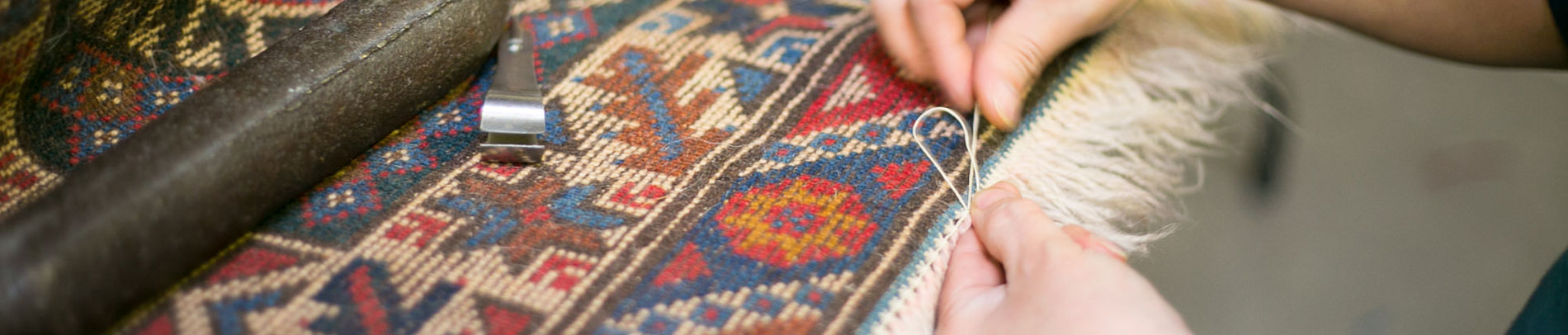
Why Oriental rugs aren’t like wall-to-wall carpet
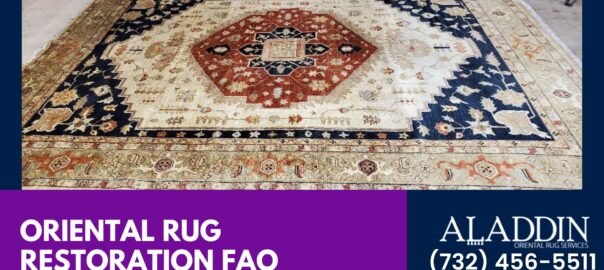
A hand-knotted Oriental rug is built to last generations, but only if you treat it like the textile it is. The dyes, the wool, the foundation, and the way the pile is knotted all react differently to water, heat, and cleaning chemicals than machine-made carpet does. If you hire a company that cleans your rug the same way they clean your living room broadloom, you can end up with bleeding dyes, dry-rotted fibers, or a rug that shrinks and buckles.
Below is what we tell homeowners who call us confused about how to care for a rug they inherited, bought while traveling, or picked up at an estate sale here in New Jersey.
First, know what you actually own
Before you clean anything, figure out what kind of rug you have. This drives every decision.
- Hand-knotted vs. machine-made: Flip the rug over. If the pattern on the back is as clear as the front and the knots look slightly irregular, it’s likely hand-knotted. A perfectly uniform back usually means machine-made.
- Fiber: Wool is the most common and the most forgiving. Silk is delicate, prone to dye bleed, and should never be handled by a general carpet cleaner. Cotton foundations are common in Persian rugs.
- Age and value: An antique or a fine silk piece deserves specialist handling. If you’re unsure whether your rug qualifies, it’s worth talking to someone who handles antique rug cleaning and restoration before you let anyone put water to it.
What routine home care looks like
Most rug damage we see isn’t from a single spill — it’s from years of grit ground into the foundation. Sand and soil act like tiny blades at the base of the knots.
Vacuum the right way
- Vacuum in the direction of the pile, not against it.
- Skip the beater bar on fringes — it tears them.
- Vacuum the back of the rug a few times a year to shake loose embedded grit.
Rotate and lift
Rotate the rug 180 degrees once or twice a year so foot traffic and sun fade evenly. Use a quality rug pad; it cushions the fibers and stops slipping, which reduces wear along creases.
Act fast on spills — but carefully
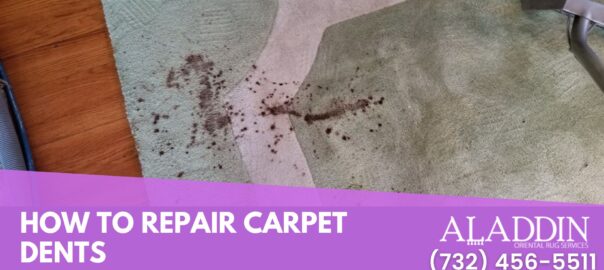
Blot, never rub. Rubbing pushes the stain into the foundation and can distort the pile. Use a clean white cloth and cool water. Avoid store-bought spot removers with bleach or harsh solvents; on natural dyes they can strip color permanently. If wine or pet urine soaks all the way through, blotting at home only buys you time — the odor and staining live in the foundation and need a full immersion wash.
Why steam cleaning and DIY shampoo are risky
The two most common ways homeowners ruin an Oriental rug:
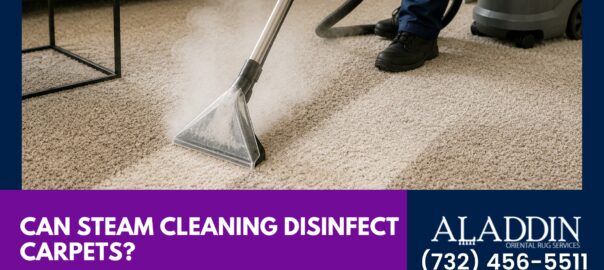
- Truck-mounted steam cleaning: The heat and pressure meant for synthetic carpet can set stains, weaken wool, and cause older vegetable dyes to run.
- Rental machines and grocery-store shampoos: These leave detergent residue in the pile that attracts dirt faster, so the rug looks dingy again within weeks.
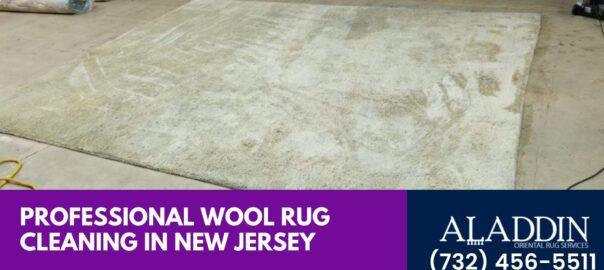
A proper Oriental rug cleaning is done off-site, by hand or in a controlled wash, where the dyes are tested for colorfastness first, the rug is dusted to remove dry soil, washed with pH-appropriate solutions, rinsed thoroughly, and dried flat or hung in a controlled environment. That’s a very different process from what happens in your home.
What to expect from a NJ rug cleaner
When you call a specialist, a good one will ask questions before quoting anything: fiber type, age, size, and what kind of soiling or damage you’re dealing with. Look for a company that:
- Tests dyes for bleeding before washing
- Cleans off-site rather than steam cleaning in your home
- Handles repair and re-fringing, not just cleaning
- Offers free pickup and delivery so a large, heavy rug never gets folded or dragged
Experience matters here more than in almost any other home service. It’s fair to ask how long a company has been doing this and whether they handle silk, antiques, and repairs in-house. You can learn a lot about a shop’s background and specialties from their company history and rug care experience before you hand over a piece you care about.
How often should you have it professionally cleaned?
For most New Jersey households, every three to five years is a reasonable interval — sooner if you have pets, kids, high traffic, or allergy concerns. Rugs in low-traffic rooms can go longer. Between professional cleanings, consistent vacuuming and prompt spill treatment do most of the work.
Your takeaway
Check the back of your rug this week to confirm whether it’s hand-knotted, note the fiber, and set a vacuum-and-rotate routine. When it’s time for a deep clean, choose off-site washing by a rug specialist over any in-home steam service — and never treat a silk or antique piece yourself.